What Kind of Fuel Can Be Used for the Whole Egg Tray Making Line?
When investing in an egg tray making line, understanding fuel options is crucial for operational efficiency and cost control. The choice of fuel for your egg tray production line depends mainly on the drying method you adopt, with coal, natural gas, diesel oil, and LPG being the most common and viable choices.
Each fuel type offers unique advantages, catering to different production scales and regional resource availability.
Fuel options for the paper egg tray production line
The drying process is the most energy-consuming stage in an egg tray manufacturing line, and fuel selection directly impacts drying efficiency and product quality.
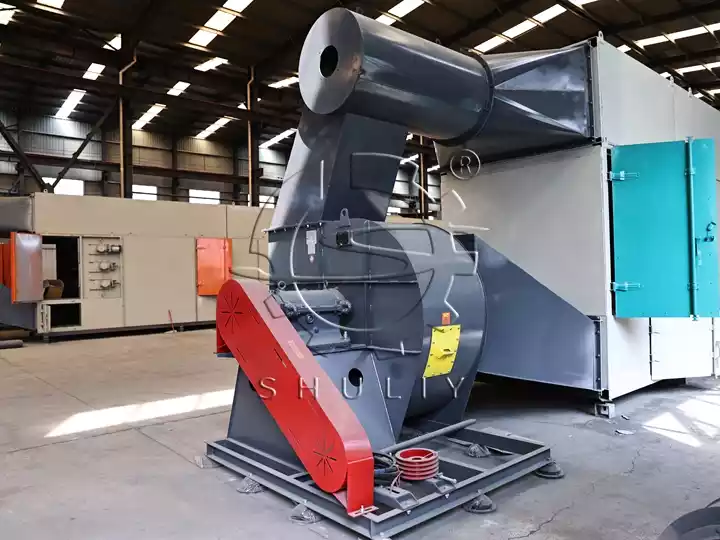
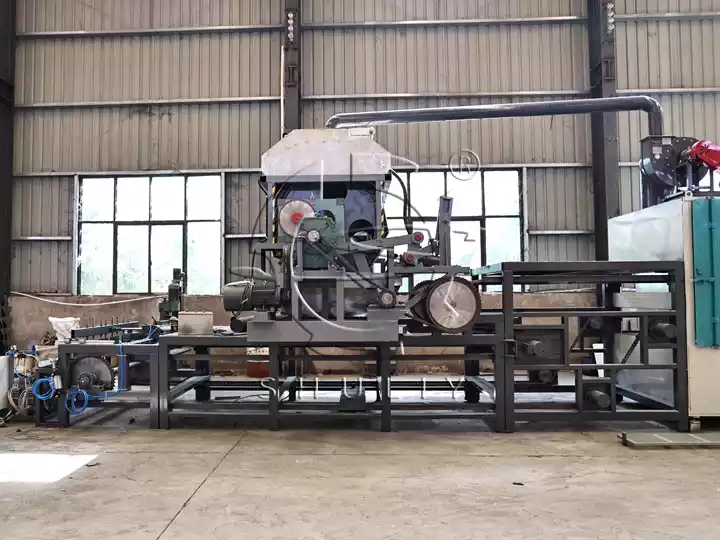
For traditional brick drying rooms, coal is a cost-effective option, widely used in small- to medium-scale production. It boasts a low unit energy cost, with a consumption of around 8- 10 kg per 1000 egg trays, making it ideal for regions with abundant coal resources.
Clean fuel choices for modern egg tray making lines
For enterprises prioritizing environmental protection, natural gas and LPG are excellent choices. These clean fuels produce minimal emissions, meeting strict environmental standards.
- Natural gas is suitable for large-scale continuous production, with a stable heat output that ensures uniform drying—critical for maintaining egg tray strength and shape.
- LPG, on the other hand, offers flexibility for small-scale or mobile production lines, with easy storage and transportation.
- Diesel oil is another reliable option, especially in areas with limited gas access, providing consistent heat for both batch and continuous drying systems.
How to choose the right fuel for your business?
The best fuel for your egg tray production line depends on three key factors: local fuel availability, production scale, and environmental regulations.
- For small factories with limited budgets, coal remains a practical choice.
- For medium- to large enterprises focusing on sustainability, natural gas or LPG is more suitable.
It’s worth noting that our egg tray making lines are designed with versatile fuel compatibility, allowing you to switch fuels easily as your business needs change. On average, a well-matched fuel system can reduce drying energy costs by 15-20% compared to mismatched options.
In summary, there’s no one-size-fits-all fuel for an egg tray making line. By evaluating your local resources and production requirements, you can select the optimal fuel to maximize efficiency and minimize costs.
Our professional team can help you customize the fuel system for your egg tray production line, ensuring smooth and sustainable operation.