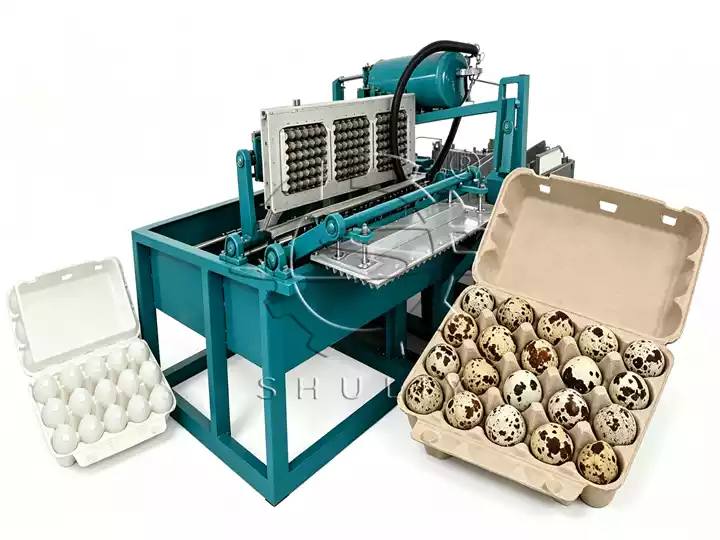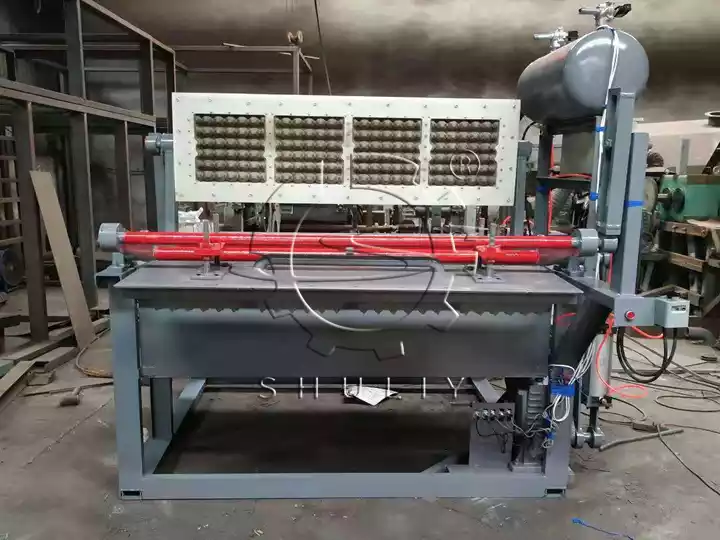
¿Cómo elegir una máquina para fabricar bandejas de huevos? 5 puntos clave que debes conocer
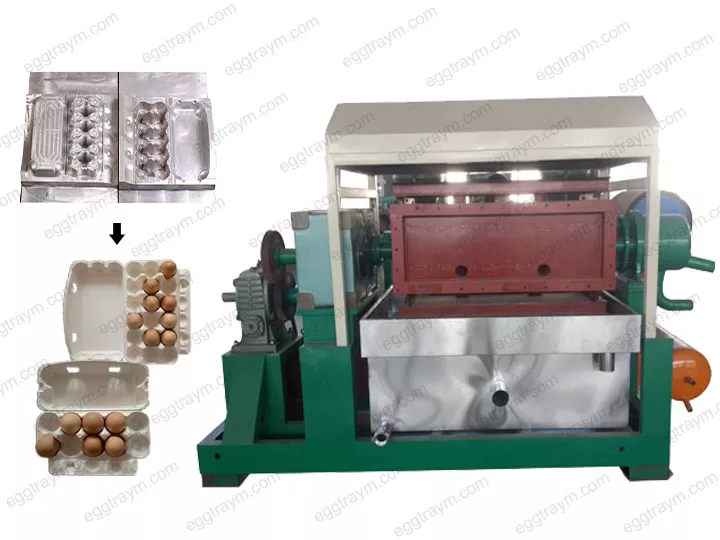
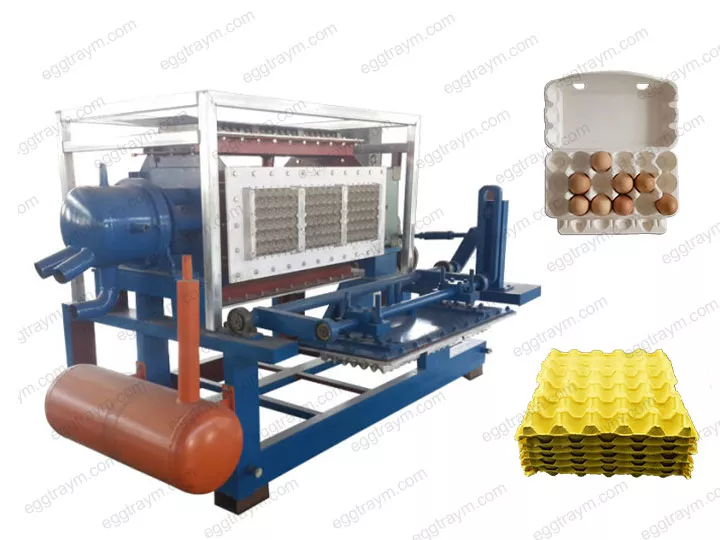
Las máquinas para fabricar bandejas de huevos se han convertido en equipos de inversión esenciales para granjas avícolas, plantas de envasado y empresas de reciclaje. Elegir el equipo adecuado garantiza una capacidad de producción estable y costos controlables; seleccionar el equivocado no solo retrasa los plazos de entrega, sino que también puede reducir las ganancias a largo plazo. A continuación, describimos la lógica clave para seleccionar máquinas de bandejas de huevos desde una perspectiva práctica.
Correspondencia de capacidad de producción
La capacidad de producción de una máquina de bandejas de huevos determina directamente la escala de inversión y el período de recuperación.
- 1,000–3,000 bandejas/hora: adecuado para granjas pequeñas o proyectos piloto.
- 4,000–7,000 bandejas/hora: cumple con las necesidades de suministro estable con una rentabilidad óptima.
- Más de 8,000 bandejas/hora: adecuado para fábricas a gran escala o pedidos de exportación.
La experiencia demuestra que perseguir ciegamente una alta capacidad a menudo conduce a un aumento en el consumo de energía y costos ociosos. Igualar la capacidad con el volumen real del pedido asegura un retorno más rápido.
Nivel de automatización de la máquina
La diferencia entre sistemas semi-automáticos y totalmente automáticos va más allá del precio, extendiéndose a los costos operativos a largo plazo:
- Las líneas semi-automáticas generalmente requieren 4–6 operadores.
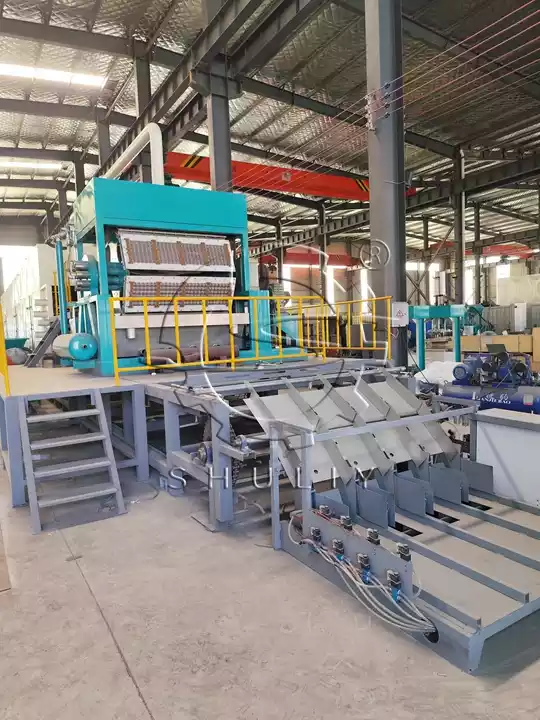
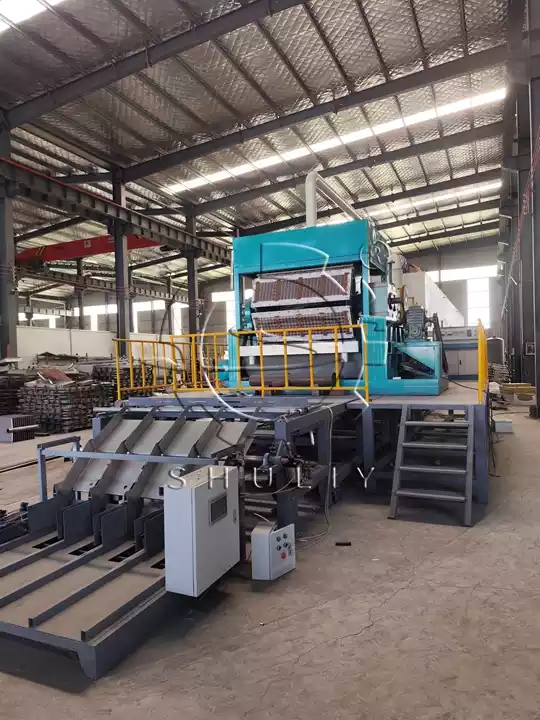
- Las líneas de bandejas de huevos totalmente automatizadas requieren solo 1–2 personas para supervisión.
- Una mayor automatización garantiza mayor consistencia en la formación, reduciendo las tasas de desperdicio en un 20%–30%.
Para operaciones a largo plazo, las configuraciones totalmente automatizadas son más propicias para la reducción de costos y ganancias en eficiencia.
Componentes principales
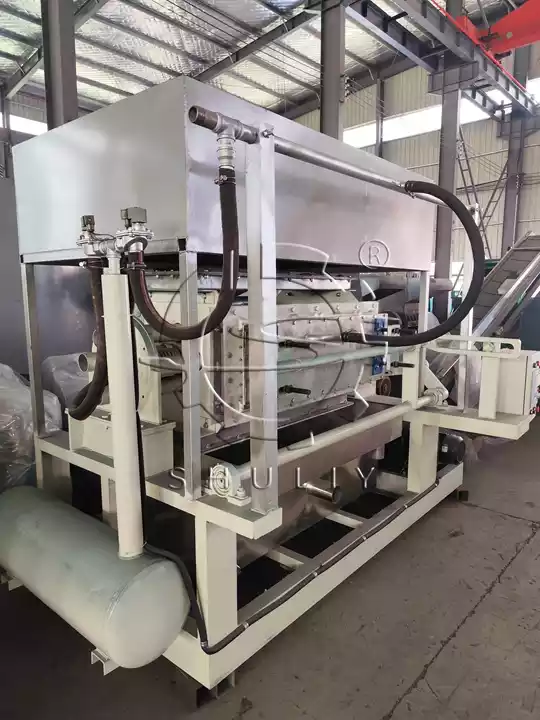
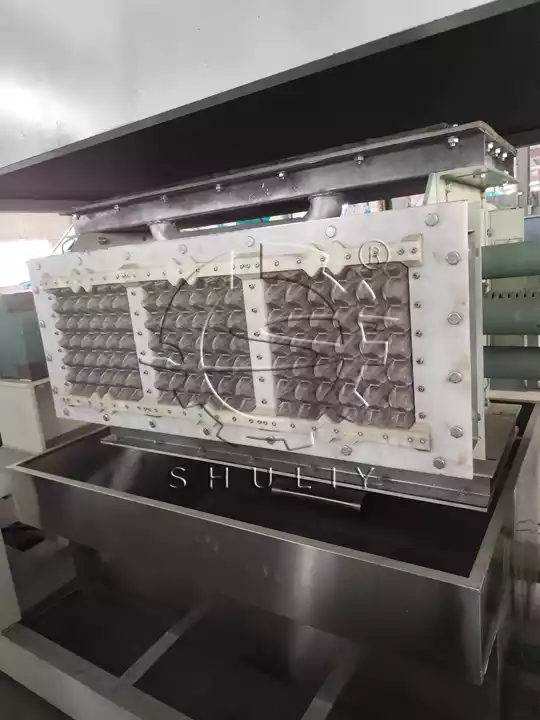
Los verdaderos determinantes de la vida útil de la máquina de bandejas de huevos y la calidad del producto radican en los componentes principales:
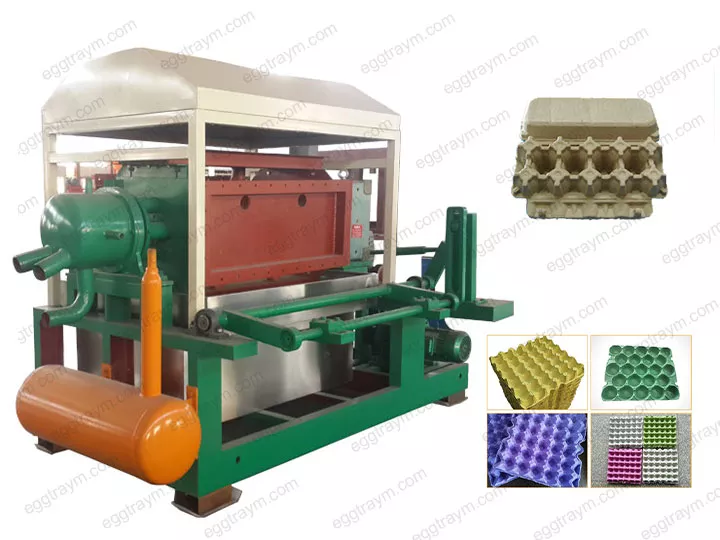
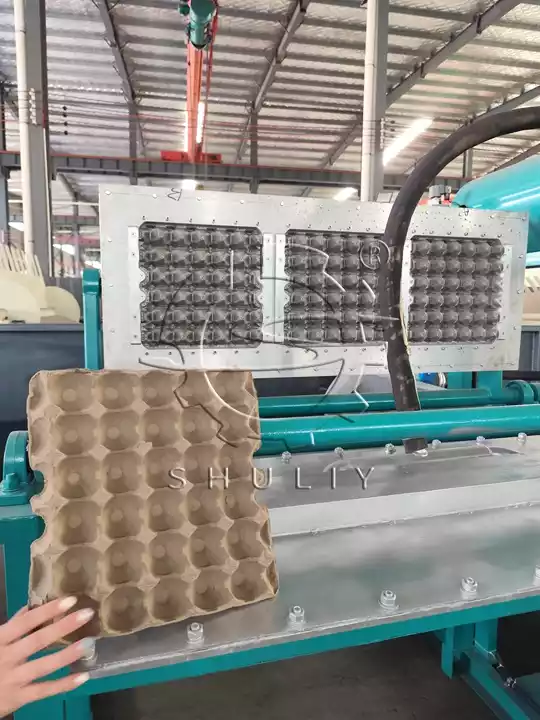
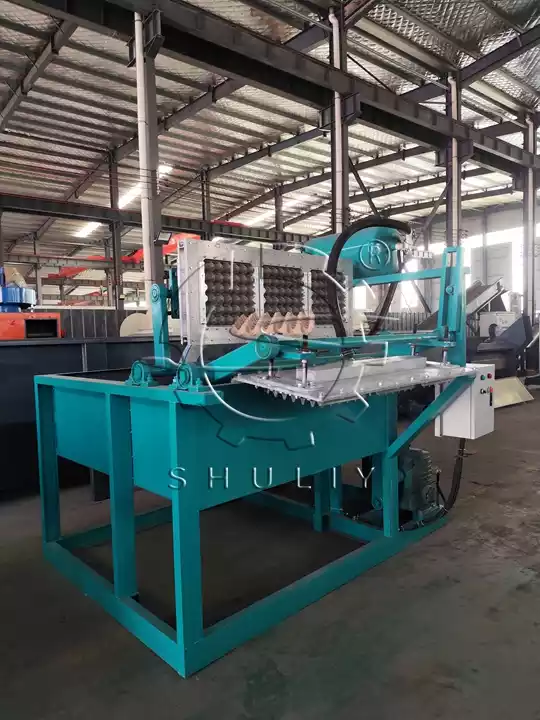
- La estructura robusta del host de formación permite una operación continua de hasta 20 horas/día.
- Los moldes de metal de alta precisión ofrecen una vida útil superior a 5 años.
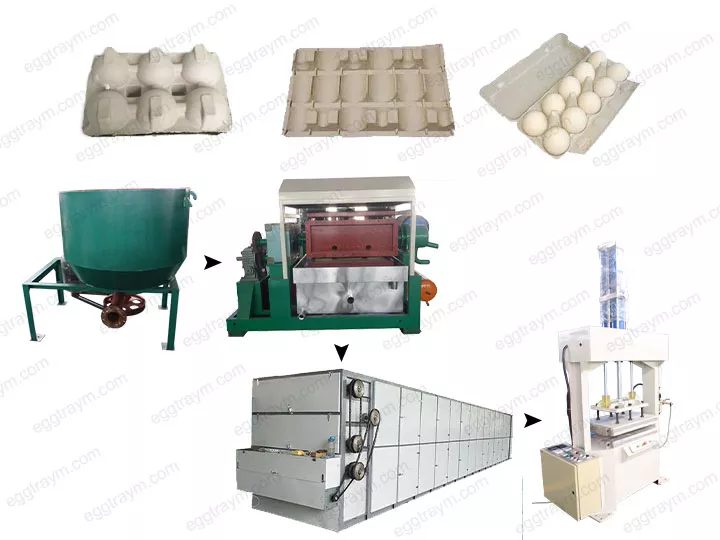
- Sistema de secado por aire caliente multicapa aumenta la eficiencia de secado en un 30%–40%.
- El acero inoxidable en áreas críticas garantiza una resistencia efectiva a la corrosión y una fácil limpieza.
Una configuración robusta se traduce en menos tiempos de inactividad y mayor producción efectiva.
Consumo de energía y utilización de materias primas
En la producción de bandejas de huevos, el consumo de energía y la utilización de papel desperdiciado representan costos ocultos significativos:
- Motores eficientes en energía control de frecuencia variable reducen el consumo de electricidad en un 10%–15%.
- La deshidratación y formación de alta eficiencia reducen la carga de secado.
- Un mejor rendimiento del producto ahorra decenas de miles de yuanes en costos de materias primas anualmente.
Fabricante y servicio
Las máquinas de bandejas de huevos no son equipos desechables; el servicio postventa es igualmente crítico:
- ¿El fabricante proporciona instalación, puesta en marcha y capacitación para operadores?
- ¿Las piezas de repuesto están estandarizadas y se suministran rápidamente?
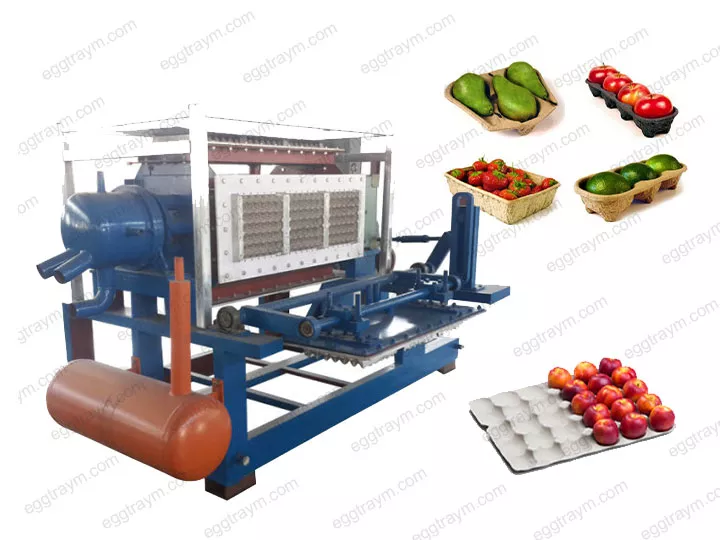
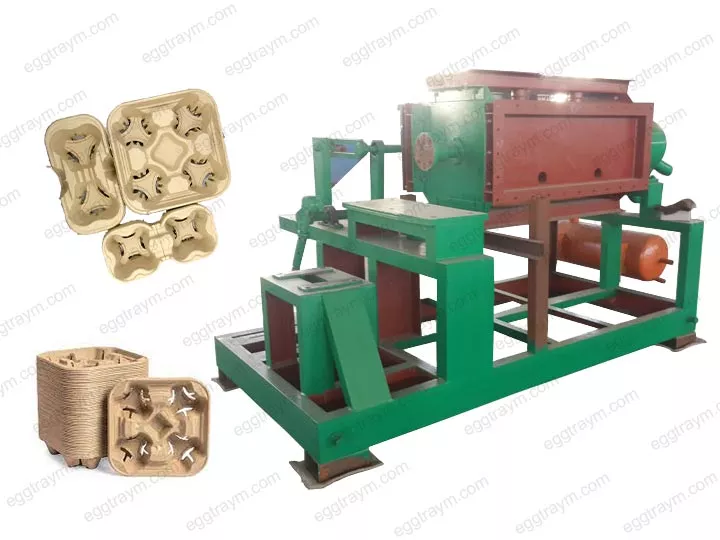
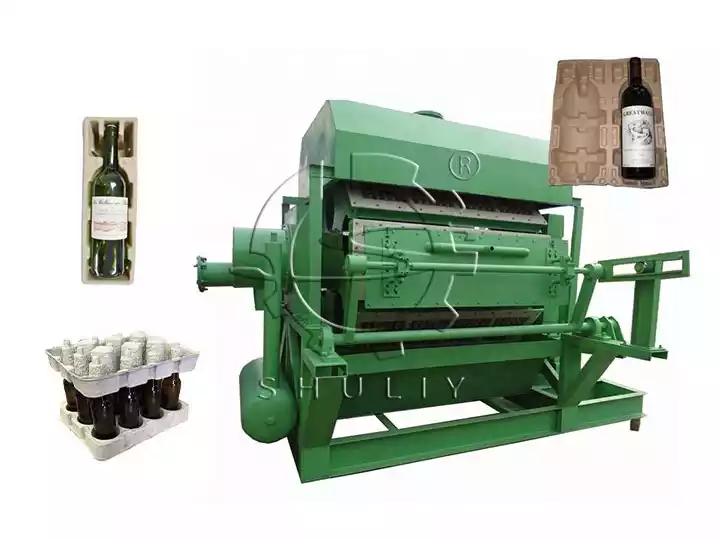
- ¿Los moldes soportan expansión de múltiples especificaciones (bandejas de huevos, bandejas de frutas, bandejas de vasos, etc.)?
Los fabricantes confiables a menudo aseguran que el equipo funcione de manera continua y estable durante 5–10 años.
Conclusión
Choosing an máquina para fabricar bandejas de huevos isn’t just about selecting equipment—it’s about choosing a reliable partner. Our factory boasts years of experience in R&D and manufacturing of egg tray machines, offering on-site installation and commissioning, operator training, and long-term spare parts supply.
Ya sea que comiences con una producción a pequeña escala o que amplíes para una fabricación de gran volumen, ofrecemos soluciones personalizadas que brindan alta producción, estabilidad y eficiencia energética. Invierte con confianza y logra un retorno suave de tu inversión.